
 Business License

Membrane Separation Systems for Instant Tea Powder Production Lines – Green Low-Temp Tea Processing
Traditional instant tea powder manufacturing relies on thermal evaporation and chemical flocculation, which leads to lost tea aroma, low product yield, high energy bills and poor cold solubility. Nowadays, integrated membrane separation technology has become the mainstream upgrade choice for tea deep processing factories worldwide.
Drawbacks of Conventional Instant Tea Production
High-temperature evaporation destroys tea polyphenols, theanine and natural volatile fragrances, resulting in flat-tasting tea powder.
Centrifugal filtration cannot fully remove pectin and protein colloids, causing precipitation when brewed with cold water.
Flocculants and preservatives are required for clarification, limiting product export qualification to EU, US food markets.
Thermal dehydration consumes huge steam and electricity, pushing long-term operation costs up sharply.
Discrete equipment requires frequent manual cleaning, with low automation and large floor space occupation.
Full All-Membrane Process Flow for Instant Tea Powder
ZNL multi-membrane coupling system combines tubular ultrafiltration, roll-type ultrafiltration and nanofiltration, forming a phase-change-free physical separation process:
Step 1 Tubular Membrane Coarse Clarification
Raw tea extract (solid content 2%–8%) flows into tubular membrane equipment with wide 5–10mm channels. Large fiber particles and suspended solids are intercepted, while small-molecule active ingredients pass through smoothly. The anti-fouling design supports 24h continuous operation with easy online backwashing.
Step 2 Roll UF Precision De-hazing
Cross-flow ultrafiltration removes residual macromolecular colloids that trigger cold turbidity. The filtrate achieves ultra-low turbidity, and finished tea powder can dissolve completely in cold water without sediment, perfectly matching cold beverage market demand.
Step 3 Nanofiltration Low-Temp Concentration
Under 25–35°C normal temperature, NF membranes concentrate tea liquor solid content from 2%–8% to 5%–20% before spray drying. Unlike thermal evaporation, membrane concentration cuts water treatment energy cost by over 90%, and retains more than 98% of tea natural flavor and functional substances.
Optional Functional Separation
Additional membrane units separate tea polyphenols, caffeine and L-theanine separately. Reverse osmosis equipment recycles organic solvents, lowering solvent consumption by 70% vs traditional resin craft.
Core Advantages of Membrane Separation Tea Production Lines
Premium Export-Grade Product Quality
No chemical additives, all contact parts adopt sanitary 316L stainless steel, compliant with FDA, GMP and international food export standards.
Natural tea fragrance fully retained, no burnt odor caused by high heat; recovery rate of tea active ingredients rises 12%–20%.
Zero cold haze, supporting cold brew tea, bubble tea and ready-to-drink tea product development.
Significant Cost & Space Savings
Membrane dehydration energy consumption is only 1/20 of thermal evaporation, slashing monthly utility expenses for medium & large tea factories.
Tubular membrane service life exceeds 4 years; automatic online cleaning reduces labor & maintenance cost by 60%.
Modular integrated design cuts workshop footprint by 40% compared with traditional discrete equipment.
Flexible Automatic Production
Full PLC automatic control, real-time monitoring of pressure, flux and temperature, minimal manual attendance.
Compatible with green tea, black tea, oolong, herbal extracts, stevia and chicory, supporting multi-product flexible switching.
Complete equipment spectrum: CX-SY lab experimental machines for formula R&D, pilot skids and full industrial production lines.
Eco-Friendly Clean Manufacturing
No flocculant or neutralizer dosing to avoid secondary pollution. Permeate clean water can be recycled for workshop cleaning; concentrated retentate can be further processed for high-value plant extracts, realizing zero waste discharge.
ZNL One-Stop Membrane Equipment Matching for Tea Powder Lines
Organic Tubular Membrane Equipment: Crude pretreatment for high-solid tea extract, anti-blocking & high flux
Roll-Type Ultrafiltration System: Precision purification to eliminate cold turbidity
Roll Nanofiltration Concentration Unit: Core low-temperature dehydration device
Spiral RO Membrane Equipment: Solvent recovery & workshop wastewater reuse
CX-SY Series Lab Membrane Test Equipment: Small trial machines for factory R&D labs
Industrial Application Cases
ZNL all-membrane tea processing technology has been applied in dozens of domestic and overseas instant tea production bases:
Black tea powder project: Membrane coupling process boosted theaflavin content by 76%, passed EU cold solubility testing, and saved $320,000 annual energy cost.
Green tea polyphenol extraction line: Replaced thermal concentration, organic solvent usage reduced by 72%, product purity reached 95% for health food export.
Conclusion
As global demand for natural, cold-soluble instant tea surges, membrane separation technology becomes the irreplaceable core equipment for new factory construction and old production line renovation. ZNL Technology, Henan Provincial Functional Polymer Film Manufacturing Innovation Center, provides full services including lab testing, customized process design, equipment manufacturing, installation and after-sales technical support for tea processing enterprises worldwide.
FAQ
Q1: What membranes are used for instant tea powder production?
A: Tubular UF for coarse clarification, roll UF for de-hazing, nanofiltration for low-temperature concentration; RO for solvent recycling as optional configuration.
Q2: Can membrane filtration produce cold-soluble instant tea powder?
A: Yes. Ultrafiltration removes pectin and protein colloids that cause cold precipitation, ensuring full cold-water solubility.
Q3: Do we need chemical additives during membrane tea processing?
A: No. Pure physical cross-flow separation achieves clarification without flocculants or preservatives, guaranteeing natural tea powder quality.
Q4: Is membrane equipment suitable for small tea factories?
A: ZNL supplies mini lab test machines and skid-mounted small-scale production lines, customized according to your daily processing capacity.
Recently Posted
-
Hypochlorous Acid: The Eco-Friendly Water Solution for Modern Green Planting
June 11, 2026Sustainable agriculture and green planting have emerged as pivotal trends in modern farming, as global growers prioritize crop saf Read More
 -
Production Process of Whey Protein Powder
June 10, 2026PrefaceThis production process adopts full membrane separation technology independently developed by Zhuolineng Technology Co., Lt Read More
 -
High Concentration Sodium Hypochlorite Equipment for Municipal Drinking Water Plant Disinfection
June 9, 2026Drinking water safety is the cornerstone of public health and urban operational stability. For municipal water treatment plants, e Read More

Contact Us
Recommended Products
-
 100kg/hour WPC80 Concentrated Whey Protein Powder Production Line Membrane Filtration Concentration EquipmentUS$ 20000 - 300000MOQ: 1 Combo
 -
Full-Automatic Beverage Processing Machinery Whole Production Line Membrane Clarification Membrane Filtration EquipmentUS$ 50000 - 500000MOQ: 1 Combo
-
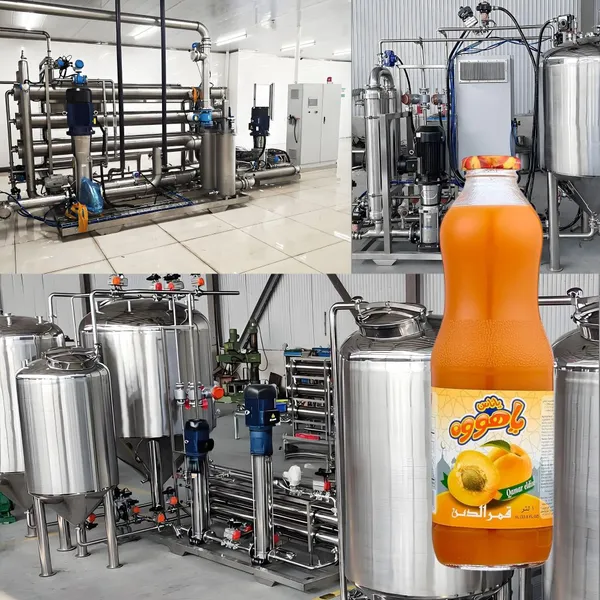
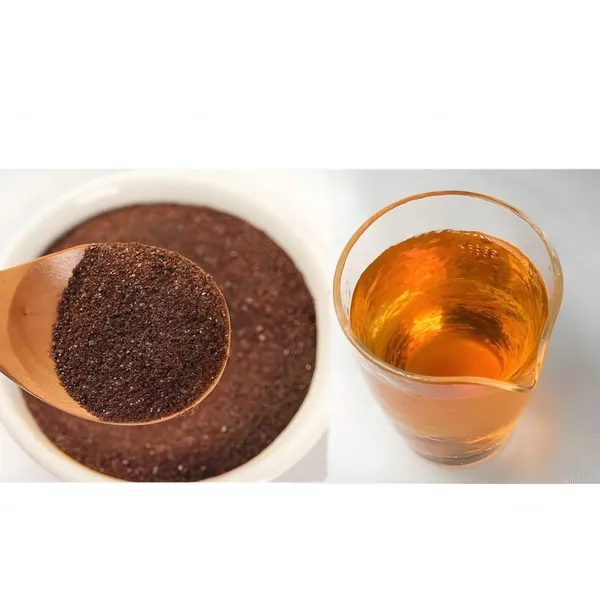
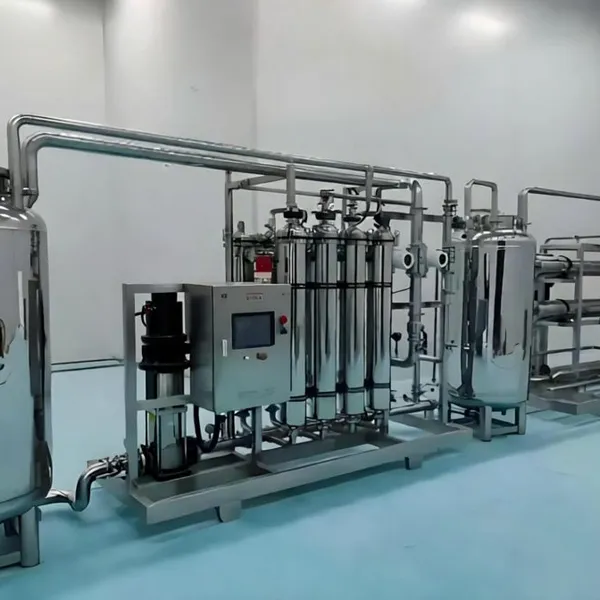
Instant Tea Whole Product Line Membrane Filtration, Concentration and Dehydration EquipmentUS$ 50000 - 500000MOQ: 1 Set
-
3500-4000 Kg/H Tcm Compound Injection Sterilization Filtration EquipmentUS$ 50000 - 500000MOQ: 1 Combo
-
Plant Raw Material Crude Extract Membrane Separation EquipmentUS$ 50000 - 500000MOQ: 1 Combo
-
13% High Test Hypochlorite Machine for Heavy Duty DisinfectionUS$ 50000 - 300000MOQ: 1 Set
-
9% On-Site Hypochlorite Generator for Bottled Water PlantsUS$ 50000 - 300000MOQ: 1 Set
-
14% High Purity Sodium Hypochlorite Plant for BleachingUS$ 50000 - 300000MOQ: 1 Combo
-
15% High Concentration Sodium Hypochlorite Generator for Water TreatmentUS$ 50000 - 300000MOQ: 1 Combo
-
15 Kg/h Seawater Electrolytic Antifouling System for RefineriesUS$ 50000 - 300000MOQ: 1 Set
-
10 Ppm Electrochlorination Unit for Seawater Cooling AntifoulingUS$ 50000 - 300000MOQ: 1 Set
-
20 Kg/day Seawater Electrolysis Plant for Coastal Power PlantsUS$ 50000 - 300000MOQ: 1 Set
-
5 Kg/h Electrolytic Seawater System for Marine Ballast TreatmentUS$ 50000 - 300000MOQ: 1 Set
-
100 M³/h Electrolytic Seawater Antifouling System for LNG TerminalsUS$ 50000 - 300000MOQ: 1 Set
-
50 Ppm On-Site Sodium Hypochlorite Generator From SeawaterUS$ 50000 - 300000MOQ: 1 Set
-
30 Ppm Electrolytic Disinfection Unit for Seawater Intake ScreensUS$ 50000 - 300000MOQ: 1 Set
-
0.5 T/day Seawater Electrolysis Hypo Generator for Desalination PretreatmentUS$ 50000 - 300000MOQ: 1 Set
-
12% - 15% 3000L Storage Tank Sodium Hypochlorite Dosing and Injection SystemUS$ 50000 - 300000MOQ: 1 Set
-
Pectin Refining and Concentration EquipmentUS$ 50000 - 500000MOQ: 1 Combo
-
Colloid Refining and Concentration Equipment / Membrane Concentration EquipmentUS$ 5000 - 50000MOQ: 1 Set