
 Business License

Power Plant Cooling Water Biofouling Control: How Electrochlorination Replaces Chlorine Gas
An aging coal-fired plant on the Atlantic coast of South America had relied on chlorine gas dosing for cooling water treatment since the 1980s. When the regional environmental authority introduced stricter chlorine handling rules, the plant faced a choice: invest in a new gas containment and emergency scrubber system estimated at $1.2 million, or find another way to control biofouling. The same season, mussel settlement in the condenser tubes had already forced a mid-summer outage that cost an estimated $800,000 in replacement power.
The plant chose electrochlorination. It was not a marginal decision — the engineering team spent months comparing safety, cost, and reliability — but once the seawater-fed system was online, the chlorine gas system was decommissioned entirely. This article explains why that transition is happening across the global power industry, and what it takes to do it well.
1. The Biofouling Problem in Power Plant Cooling Systems
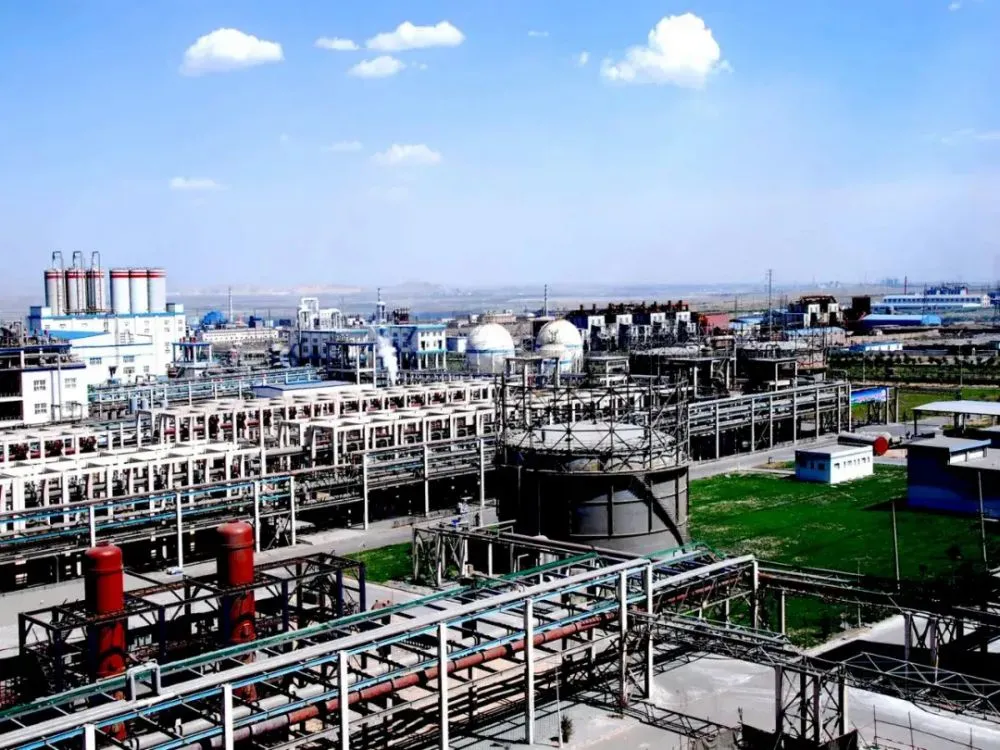
Power plants that use once-through cooling draw enormous volumes of water — a 1,000 MW plant can circulate 40 to 50 m³ per second — and every liter carries marine larvae, spores, and organic matter. Inside the condenser, warm water and abundant nutrients create ideal conditions for mussels, barnacles, clams, and slime-forming bacteria to attach and grow.
The consequences are measurable and severe. A 1 to 2 mm biofilm on condenser tubes reduces heat transfer efficiency by 10% to 30%, forcing the plant to raise fuel consumption or accept reduced output. Heavy mussel colonization can block tubes entirely, requiring an outage for mechanical cleaning. In severe cases, blocked intake structures have forced plants to shut down completely at peak demand periods.
The financial impact compounds quietly. Every percentage point of heat rate penalty translates into fuel burned with no useful output, and at a plant burning 1,000 tonnes of coal per day, a 2% heat rate penalty is roughly 20 tonnes of fuel wasted daily. Over a 60-day settlement season, that alone can exceed $300,000 at prevailing fuel prices, before any outage costs are counted. This arithmetic is why utilities track condenser cleanliness as a key performance indicator rather than a maintenance footnote.
Biofouling control is therefore not an environmental afterthought; it is a direct economic driver of plant performance. The treatment must keep biological growth in check continuously, across seasons of varying water temperature and larval activity, without damaging downstream equipment or violating discharge limits.
2. Why Chlorine Gas Was the Traditional Answer
Chlorine gas dosing dominated power plant biofouling control for decades because it is effective and cheap per kilogram of active chlorine. A gas dosing skid can treat very large flows from a small footprint, and the chemical cost at industrial scale has historically been lower than any alternative. Control is straightforward: dose to a target residual of 0.5 to 2.0 mg/L at the intake and monitor the residual downstream.
The weakness is not efficacy but risk. Chlorine gas is a toxic inhalation hazard regulated under the EPA's Risk Management Program in the United States and similar regimes elsewhere. Sites holding more than a threshold quantity — often 2,500 pounds at many facilities — face worst-case scenario analysis, off-site consequence modeling, and regular audits. The safety infrastructure around a gas system, from vacuum regulators to scrubbers and leak detection, can rival the cost of the dosing equipment itself.
3. The Shift Away from Chlorine Gas
Several forces are accelerating the replacement of chlorine gas in power plants. Regulatory pressure is the most visible: rules on toxic chemical storage, worker safety, and emergency planning have tightened across most industrial countries. Community opposition to hazmat transport and storage adds another layer of friction, particularly for plants near populated areas.
Operational economics also point away from gas. Chlorine gas availability is shrinking as specialty chemical producers consolidate, and delivered prices have become less predictable. In our project experience, plants that convert to on-site electrochlorination typically remove not only the gas inventory but also the associated emergency planning, training, and insurance overhead — costs that are real but rarely captured in the initial comparison.
There is also a workforce dimension. Chlorine gas systems demand a trained cadre of operators who can respond to leaks, maintain scrubber systems, and manage cylinder inventories. As experienced chemical operators retire, plants find it harder to staff these roles. Electrochlorination, by contrast, runs largely unattended with routine maintenance tasks that a general plant technician can learn in a day of training.
4. How Electrochlorination Replaces Chlorine Gas
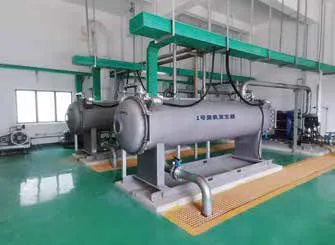
An electrochlorination system produces sodium hypochlorite on-site from seawater, brine, or softened water plus salt. For coastal plants, seawater is the natural feedstock: it is drawn, filtered, passed through electrolytic cells, and returned to the cooling flow as a dilute hypochlorite solution — typically 0.5% to 1.5% available chlorine — dosed at the intake to maintain the target residual.
The active chemistry is the same as chlorine gas dosing. Hypochlorite hydrolyzes to hypochlorous acid (HOCl), the same biocidal species that chlorine gas forms in water. Operators dose to the same residual targets and monitor with the same analyzers. The difference is that no hazardous gas ever exists on site, and the disinfectant is manufactured exactly when and where it is needed.
Feedstock selection matters. Seawater-fed systems are elegant for coastal plants but must handle marine organisms, suspended solids, and variable salinity. Brine-fed systems, using softened water and stored salt, work for inland plants or where seawater intake is not feasible. Tianjin Bluewav Technology Co.,ltd supplies both configurations, and we typically recommend seawater feed for coastal sites above roughly 1,000 kg/day equivalent chlorine demand, with brine feed for smaller or inland applications.
5. Designing the Electrochlorination System for a Power Plant
Power plant applications differ from municipal ones in scale, duty cycle, and redundancy requirements. A plant cannot tolerate a disinfection outage during peak settlement, so systems are typically configured with N+1 cell redundancy and dual power supplies. The design also needs to handle the extreme flows and temperature swings of once-through cooling circuits.
| Design element | Typical power plant specification |
|---|---|
| Electrolyzer capacity | 100–1,500 kg/day equivalent chlorine |
| Feedstock | Seawater (coastal) or brine (inland) |
| Redundancy | N+1 cells; dual rectifiers where critical |
| Dosing control | Residual feedback to 0.5–2.0 mg/L at condenser inlet |
| Monitoring | Continuous residual analyzers; flow interlocked dosing |
Hydrogen management deserves specific attention at power plant scale. A system producing 500 kg/day of chlorine generates roughly 14 kg of hydrogen daily, which must be diluted and vented safely. The degassing and ventilation design must be reviewed by the plant's safety group, and the system should include automatic shutdown interlocks tied to hydrogen detection.
Material selection in the dosing circuit is equally critical at this scale. The dilute hypochlorite stream, typically 0.5% to 1.5%, is corrosive to carbon steel and many standard alloys, so the wetted parts are specified in titanium, PVC, HDPE, or fiber-reinforced plastic. Copper alloys — common in condenser tube bundles — must never contact the concentrated product stream. Getting these materials wrong in the specification phase is a common source of premature leaks that vendors' warranty terms will not cover.
6. Dosing Strategy: Continuous vs Shock Dosing
Continuous low-dose treatment, typically maintaining 0.5 to 1.5 mg/L residual, prevents settlement before it starts. It is simple, predictable, and matches the steady-state operation of a power plant. The main drawback is that a constant residual can allow chlorine-tolerant species to develop, and it consumes chemical continuously even when larval settlement is low.
Shock dosing — applying 2 to 5 mg/L for 30 to 60 minutes, one to three times per week — kills established growth and resets the fouling cycle. Many plants alternate the two approaches by season: continuous dosing during peak settlement months, shock dosing during the rest of the year. The optimal pattern depends on local marine biology, water temperature, and condenser tube metallurgy, and is usually refined during the first year of operation.
7. Measured Performance of Electrochlorination at Power Plants
Published operating data and our own project records show consistent results. Plants converting from gas or bulk hypochlorite dosing typically report condenser cleanliness factors above 90% maintained year-round, compared with 75% to 85% before conversion in fouling-prone locations. Tube-cleaning outages that once occurred every one to two years are commonly eliminated or reduced to a five-year inspection cycle.
Energy and chemical consumption are also predictable. Seawater electrochlorination consumes roughly 3.5 to 5.0 kWh per kilogram of equivalent chlorine, and the salt is free. Bulk hypochlorite dosing, by contrast, pays $0.40 to $0.80 per liter delivered, plus storage losses of 5% to 15% per month as the chemical degrades in warm climates. For a plant consuming 300 kg/day, the annual chemical cost difference alone typically runs into six figures in favor of on-site generation.
8. Case Studies
A 700 MW gas-fired power plant in Indonesia had suffered repeated condenser fouling from a local mussel species, with a two-year pattern of mid-summer tube-cleaning outages. A few years ago, Bluewav supplied a seawater electrochlorination system rated at 240 kg/day, including intake filtration, electrolyzer skids, product storage, and residual-based dosing control. Over the following two settlement seasons, the plant reported no condenser outages, cleanliness factors above 92%, and total installed cost recovered through avoided fuel penalties and chemical purchases in roughly 2.8 years. The plant's engineering team noted that the system ran unattended outside scheduled maintenance, freeing operators for other duties during peak season.
A smaller 150 MW industrial cogeneration plant in the Middle East switched from bulk hypochlorite to a 60 kg/day brine-fed unit. Chemical delivery stops entirely, and the plant's water treatment operator now spends one hour per day on the system instead of coordinating weekly deliveries.
9. Retrofit and Conversion Considerations
Converting an existing plant from chlorine gas is a multi-month project that touches more than the dosing skid. The old gas system must be safely decommissioned, including neutralization of residual gas and disposal of cylinders. The new electrochlorination package needs space, power supply, seawater or brine feed, and a vent path for hydrogen — all of which are easier to plan during an overhaul than as an emergency response.
Civil and electrical preparation is typically the critical path. A 240 kg/day seawater system occupies roughly 60 to 100 m² including filtration and storage, and draws 1,200 to 2,400 A at 48 V DC, which requires a dedicated transformer-rectifier supply. We recommend engaging the vendor early, because site layout, feed water quality, and grid capacity all shape the final design.
Operator training is another step that is easy to under-schedule. The technology is different from gas dosing, and a well-trained crew is the difference between a system that runs unattended and one that generates constant calls. Tianjin Bluewav Technology provides commissioning and training as part of the package, and we encourage plants to include two full days of hands-on operation in the commissioning plan.
10. Frequently Asked Questions
10.1 Is electrochlorination as effective as chlorine gas for biofouling control?
Yes, because the active species is the same. Hypochlorite produced by electrolysis hydrolyzes to hypochlorous acid, the identical biocide formed when chlorine gas dissolves in water. Plants that convert typically maintain the same residual targets — 0.5 to 2.0 mg/L at the condenser inlet — and report equivalent or better fouling control, since on-site generation eliminates the variability of delivered chemical strength. One nuance is that the dilute product is dosed as a solution rather than a gas, so the dosing rate in liters per hour is higher, but the residual control loop handles this automatically once the pumps are sized correctly.
10.2 What does it cost to convert a power plant from chlorine gas to electrochlorination?
A complete seawater-fed system for a 500 MW plant typically ranges from $300,000 to $800,000 installed, depending on capacity and redundancy. Gas decommissioning, civil work, and electrical upgrades add 20% to 40%. Payback against avoided chemical purchases, safety compliance overhead, and fouling-related outages is commonly reported between 2 and 4 years. Plants that already have a seawater intake and spare electrical capacity at the intake structure pay toward the lower end, while inland sites needing a brine feed system and new power supply sit at the higher end of the range.
10.3 How much space does an electrochlorination system need?
A system producing 100 to 300 kg/day typically occupies 40 to 100 m² including filtration, cells, product storage, and control room. The largest single footprint is often the product storage tank, which is sized for 12 to 48 hours of demand. Compact skid-mounted designs reduce the footprint further and shorten on-site installation time. When planning the layout, remember to reserve maintenance access around the cells for anode removal, because an anode change inside a cramped enclosure turns a two-hour job into a full shift.
10.4 What happens to the hydrogen produced during electrolysis?
Hydrogen is generated at roughly 0.028 kg per kilogram of chlorine. The system dilutes it with forced air to below 2% by volume — half the lower explosive limit — and vents it outdoors. Continuous hydrogen monitoring with automatic shutdown interlocks is standard, and the ventilation design is typically reviewed with the plant safety department during detailed engineering. At power plant scale, the vent path must be routed above the roof line and away from intake louvers and ignition sources, and the degassing blower should be rated for the full design chlorine output rather than the seasonal average.
Recently Posted
-
Advances in Electrode Coating Technology for Chlorine Generation: Longer Life, Lower Overpotential
September 4, 2026An electrochlorination plant in the Middle East was drawing 4.9 kWh per kilogram of chlorine when its cells were new. Five years l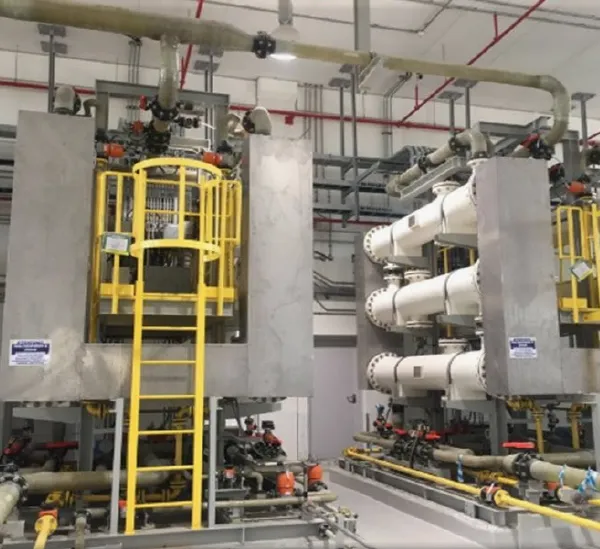 Read More
 -
How to Select a Sodium Hypochlorite Generator: 7 Key Parameters Every Buyer Should Check
September 3, 2026A municipal water utility bought a sodium hypochlorite generator based on chlorine output alone, without examining the feed water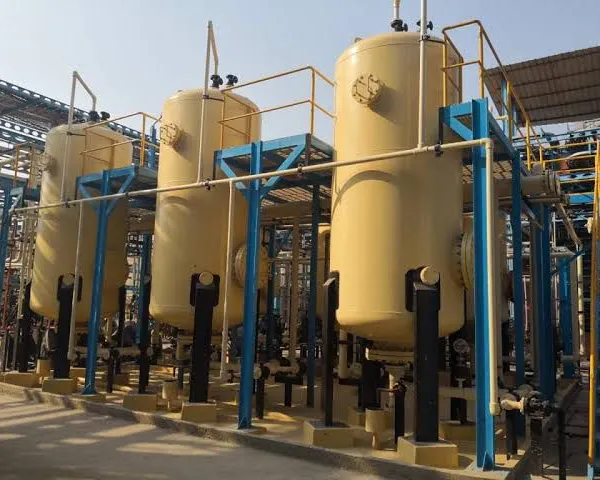 Read More
 -
Seawater Electrochlorination vs Chemical Dosing: A Cost and Safety Comparison for Cooling Water
September 3, 2026A desalination plant in the Gulf region was dosing bulk sodium hypochlorite into its cooling intake at a cost of $1,800 per truckl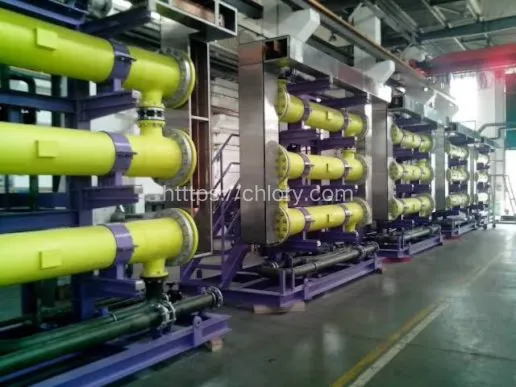 Read More
 -
Understanding Electrochlorination Technology: How Seawater Becomes a Disinfectant
September 2, 2026A coastal power plant in Southeast Asia discovered that a single season of heavy mussel growth inside its 1.6-meter cooling water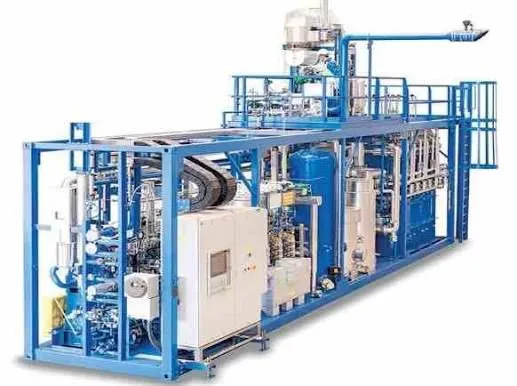 Read More

Contact Us
Recommended Products
-
 13% High Test Hypochlorite Machine for Heavy Duty DisinfectionUS$ 50000 - 300000MOQ: 1 Set
 -
9% On-Site Hypochlorite Generator for Bottled Water PlantsUS$ 50000 - 300000MOQ: 1 Set
-
14% High Purity Sodium Hypochlorite Plant for BleachingUS$ 50000 - 300000MOQ: 1 Combo
-
15% High Concentration Sodium Hypochlorite Generator for Water TreatmentUS$ 50000 - 300000MOQ: 1 Combo
-
15 Kg/h Seawater Electrolytic Antifouling System for RefineriesUS$ 50000 - 300000MOQ: 1 Set
-
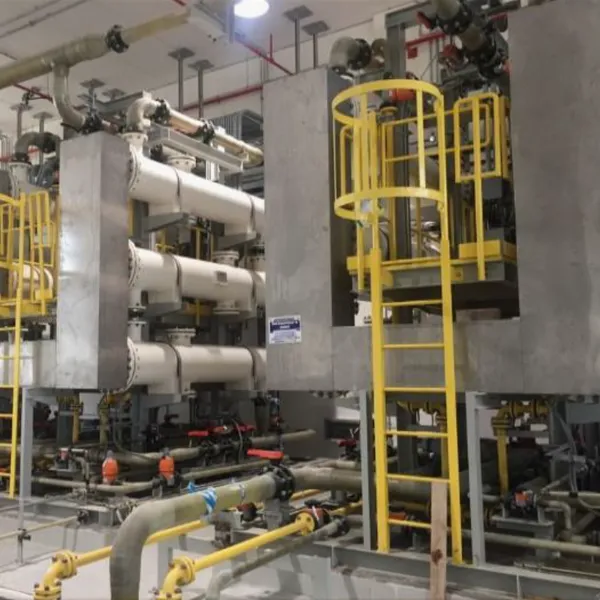
0.1%-0.2% Electrochlorination Unit for Seawater Cooling AntifoulingUS$ 50000 - 300000MOQ: 1 Set
-
20 Kg/day Seawater Electrolysis Plant for Coastal Power PlantsUS$ 50000 - 300000MOQ: 1 Set
-
5 Kg/h Electrolytic Seawater System for Marine Ballast TreatmentUS$ 50000 - 300000MOQ: 1 Set
-
100 M³/h Electrolytic Seawater Antifouling System for LNG TerminalsUS$ 50000 - 300000MOQ: 1 Set
-
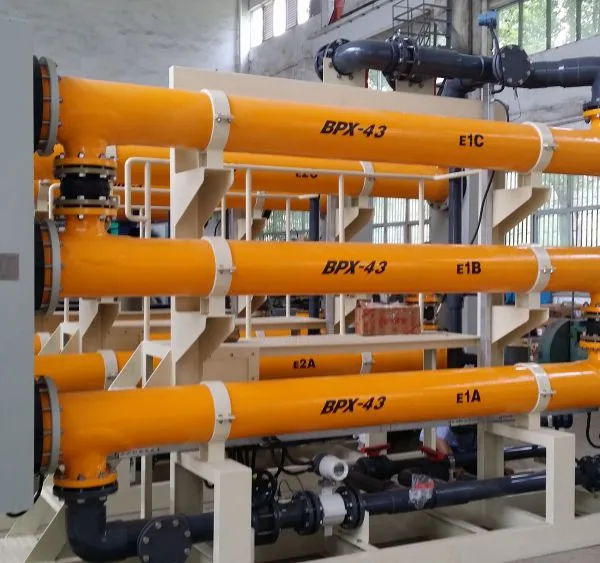
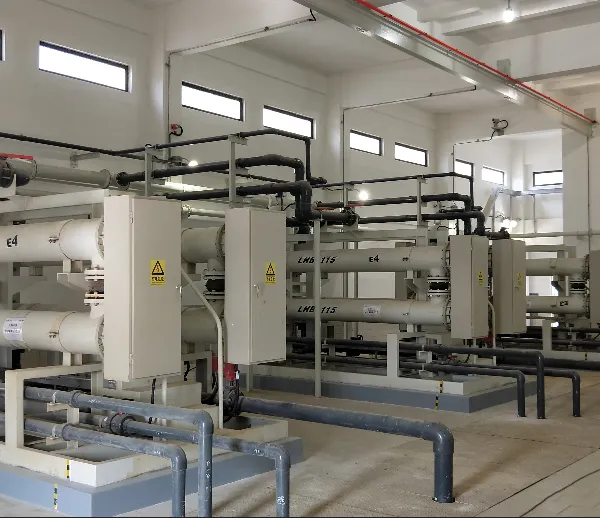
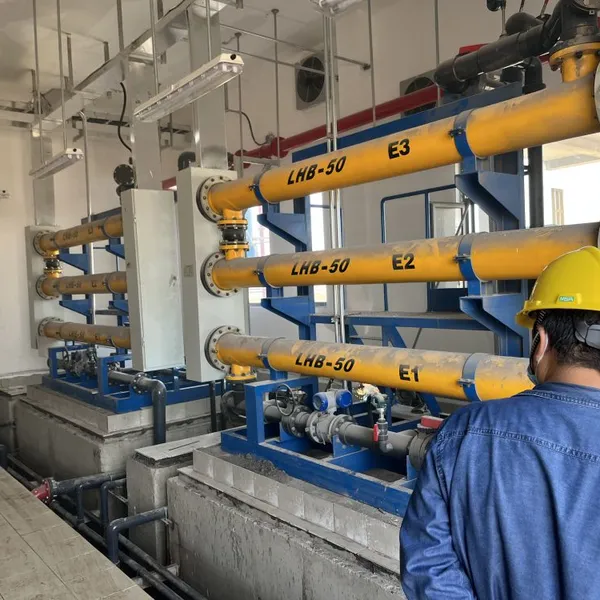
50 Ppm On-Site Sodium Hypochlorite Generator From SeawaterUS$ 50000 - 300000MOQ: 1 Set
-
Liquid Chlorine Equipment for Chlor-Alkali Production PlantUS$ 200000 - 2000000MOQ: 1 Set
-
Custom Chlor-Alkali Plant EPC Turnkey Solution for Integrated Chemical Manufacturing PlantUS$ 100000 - 2000000MOQ: 1 Set
-
99% High Purity Caustic Soda Flakes EPC Project for Fine Chemical & Metallurgical IndustryUS$ 100000 - 2000000MOQ: 1 Set
-
33% Industrial Hydrochloric Acid Production Equipment for Pickling & Wastewater TreatmentUS$ 100000 - 2000000MOQ: 1 Set
-
Industrial Liquid Chlorine Production & Storage Equipment for Chemical Synthesis & Water DisinfectionUS$ 100000 - 2000000MOQ: 1 Set
-
100kg/hour WPC80 Concentrated Whey Protein Powder Production Line Membrane Filtration Concentration EquipmentUS$ 50000 - 500000MOQ: 1 Set
-
Full-Automatic Beverage Processing Machinery Whole Production Line Membrane Clarification Membrane Filtration EquipmentUS$ 50000 - 500000MOQ: 1 Set
-
Instant Tea Whole Product Line Membrane Filtration, Concentration and Dehydration EquipmentUS$ 50000 - 500000MOQ: 1 Set
-
Goat Milk Sterilization and Concentration SystemUS$ 50000 - 500000MOQ: 1 Set
-
Sanitary Nanofiltration Membrane Dealcoholization System Low Alcohol Wine Beer Filtration EquipmentUS$ 50000 - 500000MOQ: 1 Set