
 Business License

Tianjin Bluewav Technology: A Full-Spectrum Manufacturer of On-Site Disinfectant Generation and Chlo
When a coastal power plant in Southeast Asia needed a seawater electrochlorination system producing 200 kg/day of equivalent chlorine for cooling-water biofouling control — and needed it engineered for corrosive marine atmosphere on an open-deck installation — it selected Tianjin Bluewav Technology Co.,ltd as the equipment supplier. The project, commissioned in 2023, involved not just supplying electrolyzer cells but designing the complete brine preparation, product storage, hydrogen venting, and SCADA integration. The installation has reported 99.2% availability over 18 months. This project is representative of the work that has defined the company's reputation: engineered solutions bridging standardized product platforms and site-specific operational requirements.
1. Company Overview
Tianjin Bluewav Technology Co.,ltd is a manufacturer based in Tianjin, one of northern China's major industrial port cities, specializing in on-site disinfectant generation and chlor-alkali process technologies. The product portfolio spans five core categories: sodium hypochlorite generators (0.8% to 15% available chlorine), seawater electrochlorination systems, hypochlorous acid generators (20 to 200 ppm HOCl), chlor-alkali EPC turnkey plants using ion-exchange membrane technology, and caustic soda production equipment. Supporting lines include chlorine dioxide generators, hydrochloric acid synthesis equipment, liquid chlorine systems, and industrial membrane separation systems.
This multi-technology capability is unusual in the sector, where most suppliers specialize in a single technology. A project needing sodium hypochlorite for primary disinfection and hypochlorous acid for surface sanitization can be served by one manufacturer with unified control philosophy and a single warranty relationship — reducing integration risk and simplifying post-commissioning support, factors that carry disproportionate weight in capital equipment decisions with 15- to 20-year operating horizons.
2. Product Portfolio
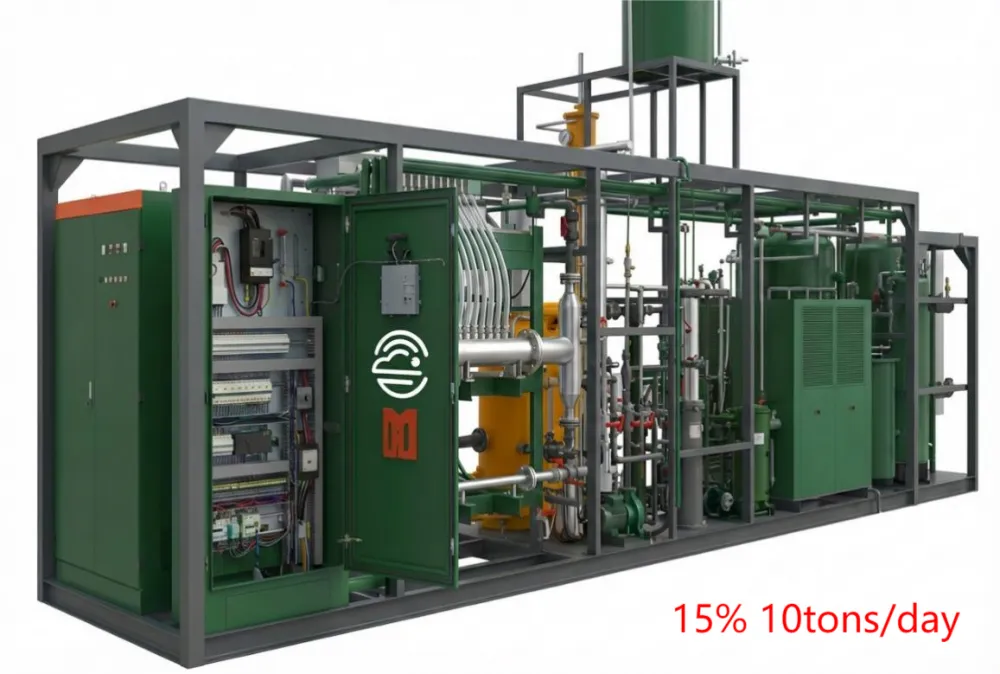
The company's sodium hypochlorite generator line illustrates its engineering philosophy. Rather than offering one concentration, Bluewav Technology produces units across the full range: 0.8% low-concentration generators for municipal plants where larger storage volumes are acceptable, and 12% to 15% high-concentration systems for industrial and offshore applications. The high-concentration units incorporate recirculating brine loops with integrated chillers maintaining cell temperature at 20°C to 30°C — a design feature that distinguishes them from simpler single-pass systems.
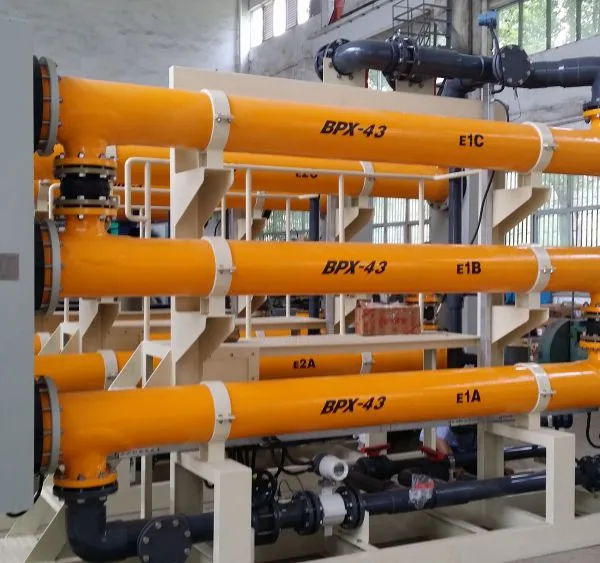
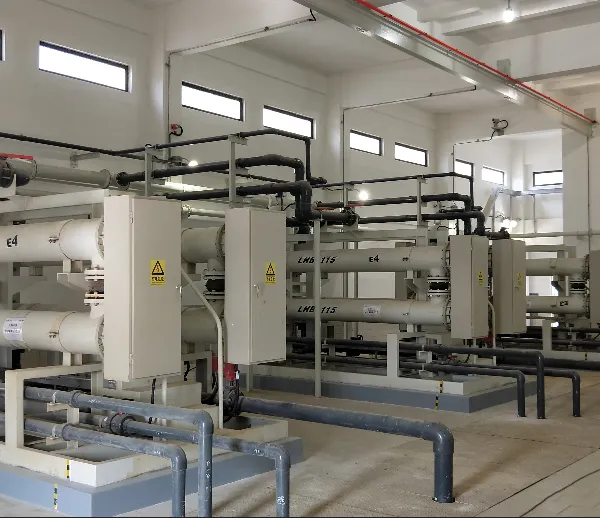
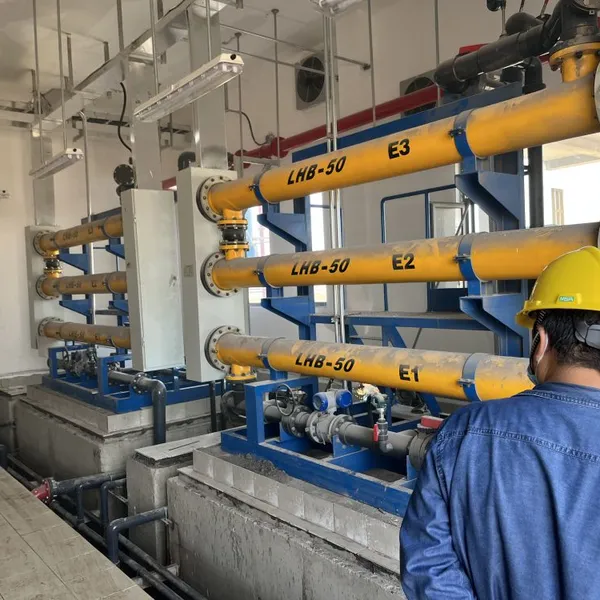
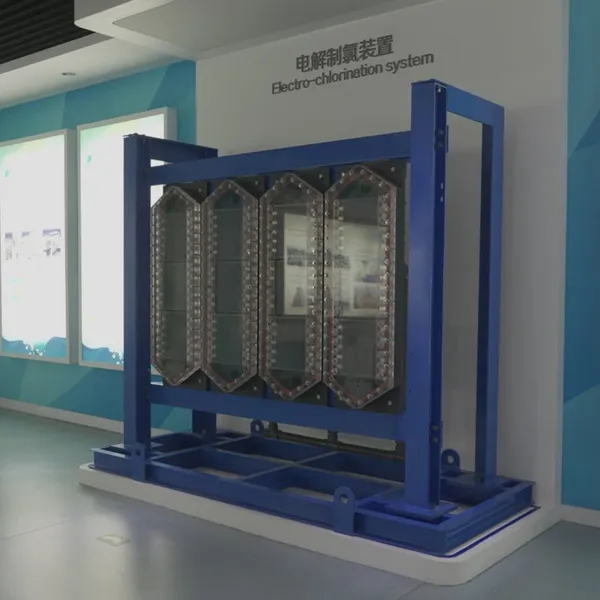
The seawater electrochlorination line addresses distinct challenges. Raw seawater contains roughly 1,200 to 1,500 mg/L of calcium and magnesium combined, which precipitate on cathodes and can reduce chlorine production efficiency by 30% to 50% within weeks. Bluewav's systems incorporate periodic polarity reversal and automated acid-cleaning protocols extending the cleaning interval to 3 to 6 months. For offshore installations where manual cell access is difficult, a CIP option is available.
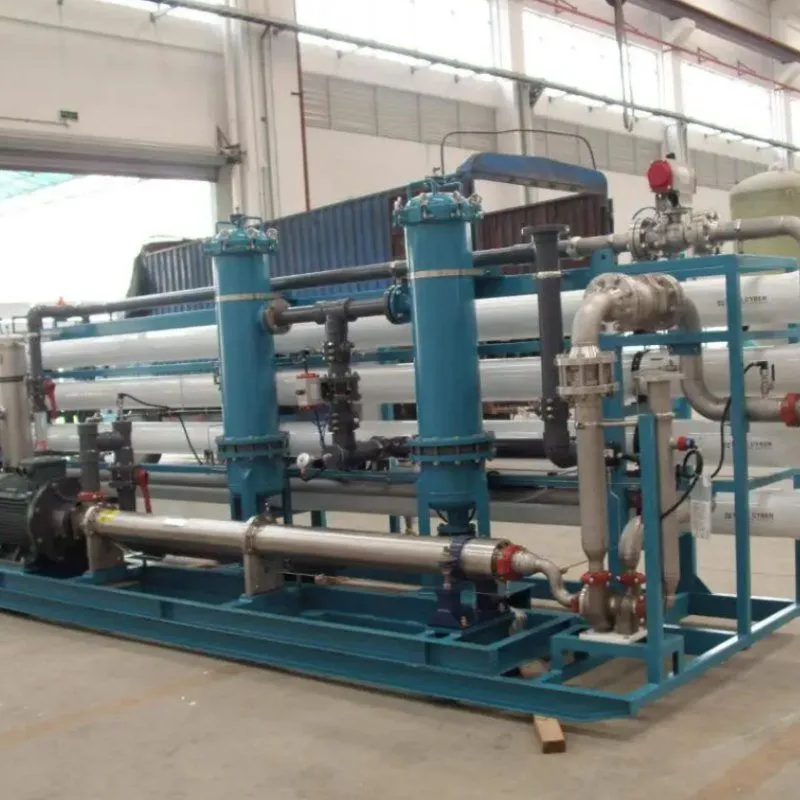
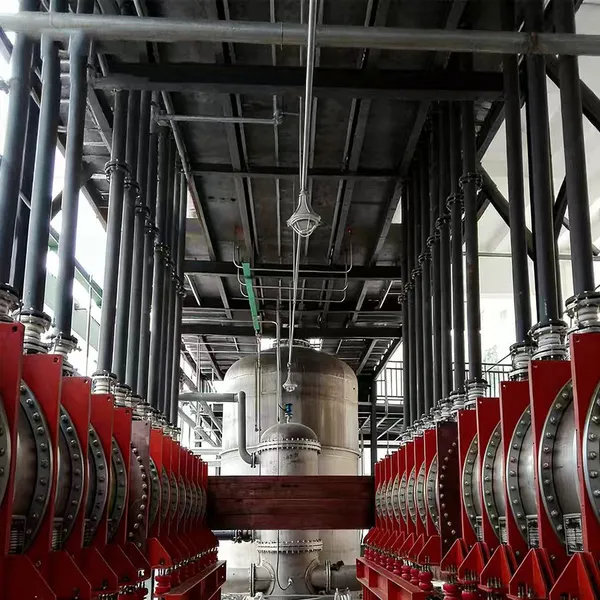
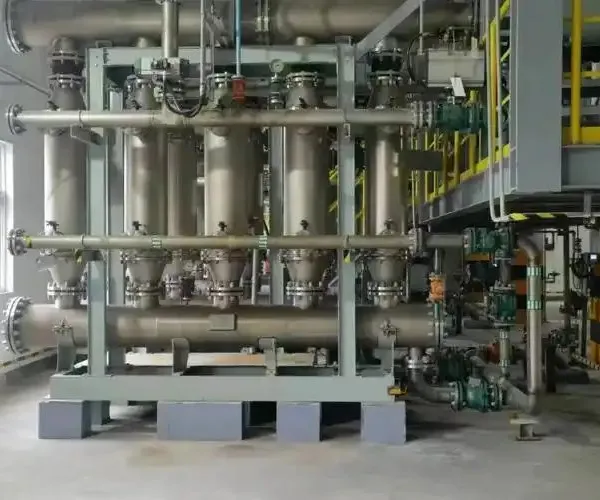
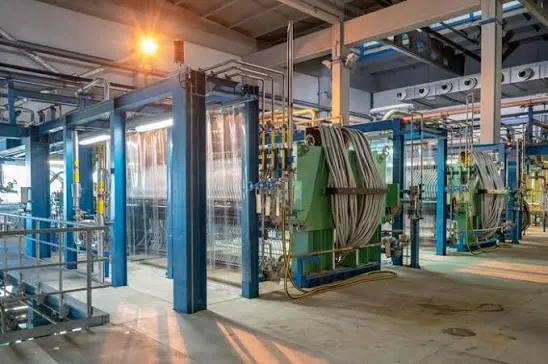
The chlor-alkali EPC business represents the largest-scale offering: complete facilities built around ion-exchange membrane electrolyzers, with brine purification (primary treatment, filtration, and ion-exchange polishing), chlorine compression and liquefaction, caustic soda evaporation, hydrogen handling, and utility systems. A typical contract covers process design, equipment procurement, civil works supervision, installation, commissioning, and operator training. Complementary equipment lines include chlorine dioxide generators, hydrochloric acid synthesis equipment, liquid chlorine systems, and industrial membrane separation and filtration systems for process water treatment.
3. Manufacturing and Quality Control
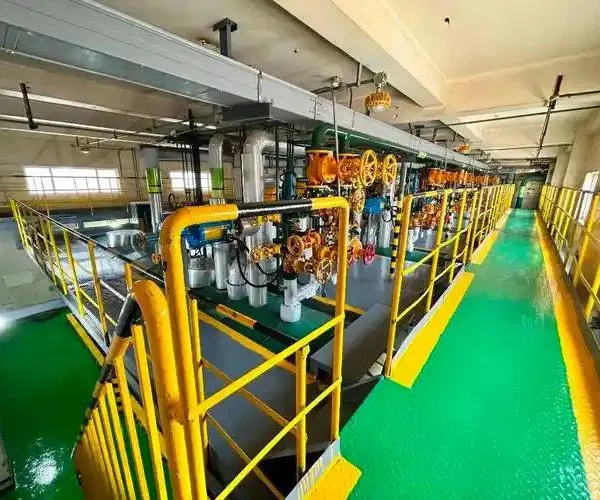
Manufacturing operations in Tianjin integrate cell fabrication, tank construction, electrical panel assembly, and system integration testing under one facility. Electrolytic cell assembly is performed in a controlled environment with documented quality records for each cell: anode coating thickness verification at a minimum of 5 measurement points per electrode using eddy-current or XRF techniques, inter-electrode gap measurement with go/no-go gauges, and hydrostatic pressure testing at 1.5 times design operating pressure. Titanium welding is performed by qualified welders with dye-penetrant inspection for joints contacting process fluids.
Anode preparation is the most demanding fabrication step. Titanium substrate anodes receive MMO coatings — primarily RuO₂ and IrO₂ — through thermal decomposition applying multiple layers fired at roughly 450°C to 500°C. The number of passes, precursor composition, and firing profile determine service life. Premium anodes receive 12 to 15 coating passes with noble metal loading of 18 to 22 g/m², compared to 8 to 10 passes at 12 to 15 g/m² for standard grades.
Factory acceptance testing runs each completed generator on a test brine loop for a minimum of 24 hours, verifying rated chlorine capacity, hydrogen dilution below 1% H₂ by volume, alarm and interlock function, and control system communication. The FAT report is provided to the client as part of the quality documentation package. The company holds Foreign Trade Operator Registration (No. 02570647, issued September 2020), enabling direct export.
4. Global Markets and Export
The company exports to markets across North and South America, Europe, Southeast Asia, the Middle East, Africa, Oceania, and South Asia. This geographic spread reflects a strategy of serving diverse end-use sectors — municipal water treatment, thermal and nuclear power generation, offshore oil and gas, food and beverage processing, and industrial chemicals — rather than concentrating on a single application or region. Export logistics from the Port of Tianjin, one of the world's top ten container ports handling roughly 20 million TEU annually, provide a natural advantage in shipping cost and frequency.
5. Project Delivery Process
Projects proceed through four phases. Technical clarification and proposal (2 to 4 weeks) reviews client requirements and produces process flow diagrams, equipment layouts, and a commercial quotation. Detailed engineering and procurement (8 to 16 weeks) converts proposal documents into fabrication drawings with P&IDs, equipment data sheets, and 3D modeling for spatial integration. Fabrication and factory testing (12 to 20 weeks) runs parallel streams — cell assembly, tank fabrication, panel building, and piping prefabrication — converging at system integration for FAT. Finally, shipping, installation, and commissioning (2 to 4 weeks on-site) conclude with a 72-hour performance test and operator training.
6. The Tianjin Advantage
Tianjin's position as a major industrial and logistics center provides tangible benefits in equipment manufacturing and export. The city's industrial base includes multiple suppliers of specialized materials — titanium sheet and plate, PVC-C and PVDF piping, FRP resins, and electrical control components — reducing material lead times and enabling a leaner raw-material inventory than feasible in locations with fewer local suppliers.
The Port of Tianjin, one of the world's top ten container ports handling roughly 20 million TEU annually, offers direct container and breakbulk services to all major trade routes. For chlor-alkali EPC projects involving heavy and oversized equipment — electrolyzer assemblies, large-diameter FRP tanks, transformers, rectifiers — breakbulk shipping is well served by multiple carriers. The port's free trade zone offers bonded warehousing for clients staging equipment for progressive delivery. Shipping transit from Tianjin to the Middle East, Africa, and South Asia is roughly 18 to 25 days for container services and 25 to 35 days for breakbulk, depending on destination and intermediate port calls. The proximity of manufacturing to the port shortens inland logistics and reduces the transit damage risk that increases with each additional handling step.
7. Engineering Philosophy
The company's approach to equipment design follows consistent principles. Standardize where standardization adds value — cell frame dimensions, brine softener configurations, and control architectures use proven platforms. Customize where customization solves a real problem — tank materials, pump configurations, and SCADA integration are tailored because no two plants have identical layouts or operator preferences.
Design for maintainability is a recurring theme. Electrolytic cells are configured for single-person electrode stack access with quick-disconnect connections, allowing a cell to be isolated and opened for cleaning without draining the system. Control panels include roughly 20% to 25% spare capacity in cable tray and terminal space for the additional I/O that integrations require. These are engineering decisions that affect every maintenance intervention for the equipment's 15- to 20-year life — a cell that takes one operator 30 minutes to clean will be cleaned on schedule; one that requires three hours and two people will be deferred.
8. Frequently Asked Questions
8.1 What is the typical lead time for a sodium hypochlorite generator?
A standard packaged generator in the 50 to 200 kg/day range typically ships within 10 to 14 weeks of order confirmation. High-concentration units with chiller circuits and recirculating brine loops add 2 to 4 weeks. Large EPC chlor-alkali plants follow project-specific schedules of 18 to 24 months from contract award to mechanical completion, including detailed engineering, procurement, fabrication, factory testing, and ocean freight.
8.2 Does the company provide installation and commissioning support outside China?
Yes, every shipment includes the option of an installation supervisor and commissioning engineer on-site, with duration determined by system complexity. For a packaged generator, support typically runs 2 to 3 weeks. EPC projects may extend over several months, coordinated with civil works and installation contractors. The cost is quoted separately so clients with qualified in-house teams can opt out.
8.3 What anode warranty does the company offer?
Standard anodes carry a 5-year warranty under specified brine quality conditions (≥99.5% NaCl, ≤20 ppm Ca, ≤10 ppm Mg combined). Premium anodes with higher noble metal loading extend to 8 years. Warranty terms for rectifiers, pumps, tanks, instrumentation, and control systems follow industry practice and are detailed in each project's commercial proposal.
8.4 Can the company handle brownfield chlor-alkali projects?
Yes — expansions, diaphragm-to-membrane conversions, or downstream unit additions to existing plants represent a significant portion of EPC inquiries. The engineering team begins with a site survey followed by an interface register documenting every connection point between new scope and existing plant, reducing the risk of commissioning surprises.
8.5 What distinguishes the company's approach from other disinfection equipment manufacturers?
Three factors emerge in client feedback. The product breadth — across sodium hypochlorite, hypochlorous acid, electrochlorination, chlor-alkali, and membrane systems — allows clients with multi-technology requirements to consolidate their supplier base. The willingness to customize configurations for site-specific requirements, rather than restricting clients to fixed standard models, is particularly valued for retrofit projects. And the engineering documentation — P&IDs, equipment data sheets, FAT reports, and as-built drawings — is produced to a level that clients report enables independent operation and maintenance after commissioning.
Recently Posted
-
Municipal Wastewater Disinfection with On-Site Sodium Hypochlorite: Design Considerations and Case S
August 13, 2026During a 2020 wet-weather event, a municipal wastewater plant serving roughly 400,000 people exceeded its fecal coliform permit li Read More
 -
Electrolyzer Cell Quality and Anode Lifespan: What Determines 5-Year vs 8-Year Service Life
August 12, 2026In 2021, a sodium hypochlorite generator at a Middle Eastern industrial facility experienced a 42% drop in chlorine production eff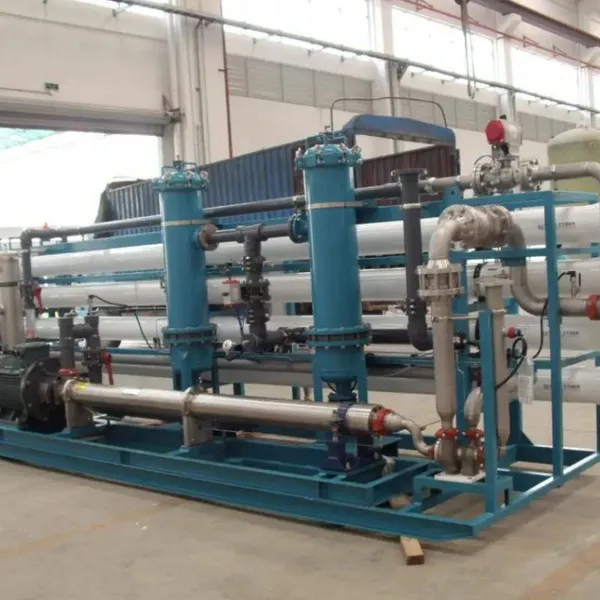 Read More
 -
Membrane Cell vs Diaphragm Cell Chlor-Alkali Technology: Which Process Suits Your Plant
August 10, 2026In 2016, a chlor-alkali facility in South Asia experienced a catastrophic asbestos diaphragm failure in two of its 48 cells. The 1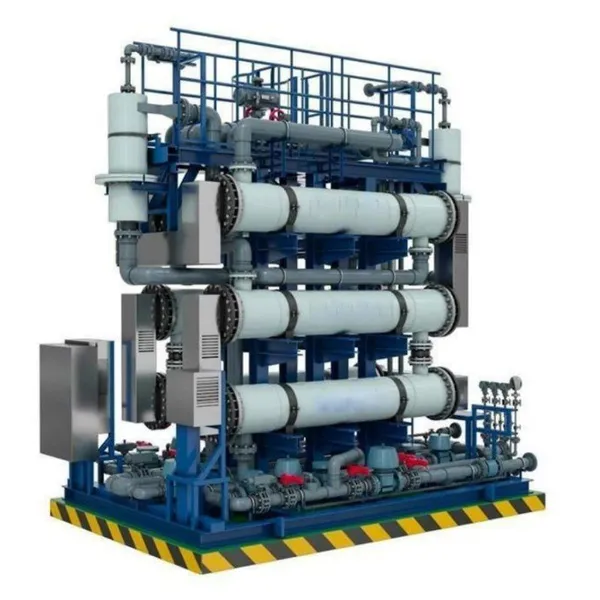 Read More
 -
What Is a Sodium Hypochlorite Generator: How On-Site Electrolysis Produces NaClO for Water Disinfect
August 7, 2026When monsoon rains washed out the only road to a 200,000 m³/day municipal wastewater plant, the facility's bulk chlorine suppl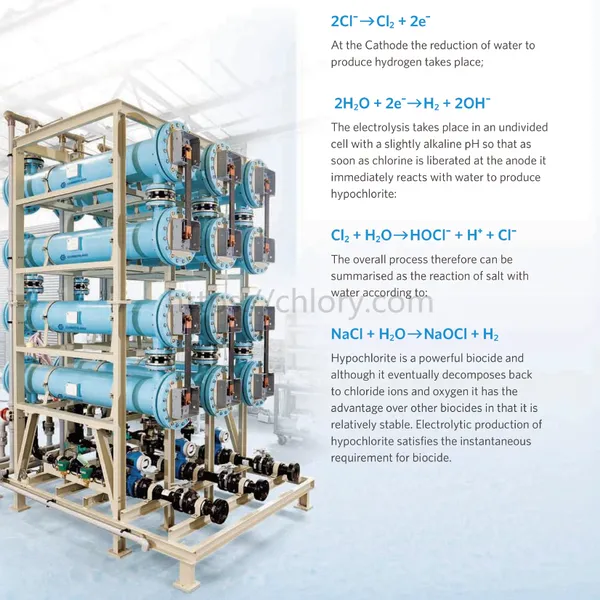 Read More

Contact Us
Recommended Products
-
 13% High Test Hypochlorite Machine for Heavy Duty DisinfectionUS$ 50000 - 300000MOQ: 1 Set
 -
9% On-Site Hypochlorite Generator for Bottled Water PlantsUS$ 50000 - 300000MOQ: 1 Set
-
14% High Purity Sodium Hypochlorite Plant for BleachingUS$ 50000 - 300000MOQ: 1 Combo
-
15% High Concentration Sodium Hypochlorite Generator for Water TreatmentUS$ 50000 - 300000MOQ: 1 Combo
-
15 Kg/h Seawater Electrolytic Antifouling System for RefineriesUS$ 50000 - 300000MOQ: 1 Set
-
0.1%-0.2% Electrochlorination Unit for Seawater Cooling AntifoulingUS$ 50000 - 300000MOQ: 1 Set
-
20 Kg/day Seawater Electrolysis Plant for Coastal Power PlantsUS$ 50000 - 300000MOQ: 1 Set
-
5 Kg/h Electrolytic Seawater System for Marine Ballast TreatmentUS$ 50000 - 300000MOQ: 1 Set
-
100 M³/h Electrolytic Seawater Antifouling System for LNG TerminalsUS$ 50000 - 300000MOQ: 1 Set
-
50 Ppm On-Site Sodium Hypochlorite Generator From SeawaterUS$ 50000 - 300000MOQ: 1 Set
-
Liquid Chlorine Equipment for Chlor-Alkali Production PlantUS$ 200000 - 2000000MOQ: 1 Set
-
Custom Chlor-Alkali Plant EPC Turnkey Solution for Integrated Chemical Manufacturing PlantUS$ 100000 - 2000000MOQ: 1 Set
-
99% High Purity Caustic Soda Flakes EPC Project for Fine Chemical & Metallurgical IndustryUS$ 100000 - 2000000MOQ: 1 Set
-
33% Industrial Hydrochloric Acid Production Equipment for Pickling & Wastewater TreatmentUS$ 100000 - 2000000MOQ: 1 Set
-
Industrial Liquid Chlorine Production & Storage Equipment for Chemical Synthesis & Water DisinfectionUS$ 100000 - 2000000MOQ: 1 Set
-
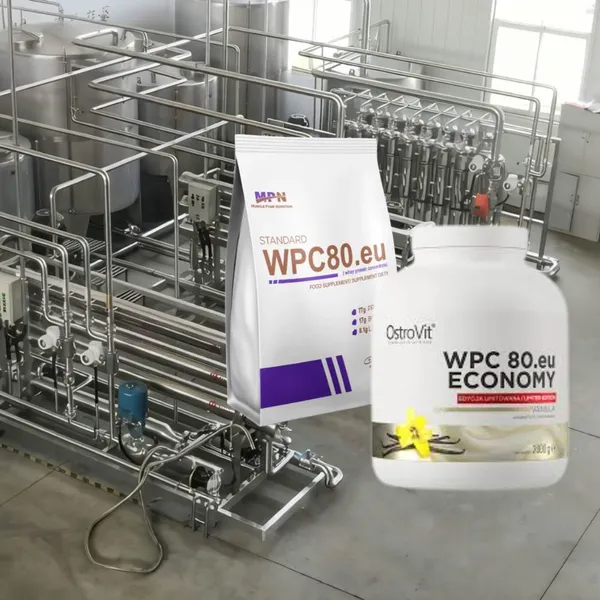
100kg/hour WPC80 Concentrated Whey Protein Powder Production Line Membrane Filtration Concentration EquipmentUS$ 50000 - 500000MOQ: 1 Set
-
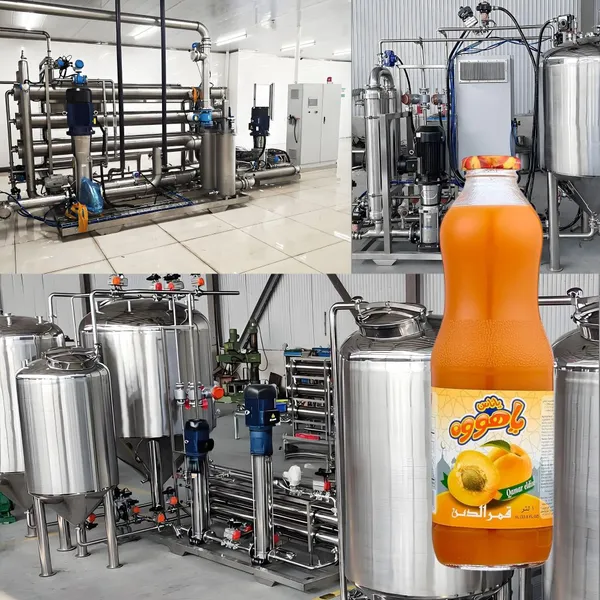
Full-Automatic Beverage Processing Machinery Whole Production Line Membrane Clarification Membrane Filtration EquipmentUS$ 50000 - 500000MOQ: 1 Set
-
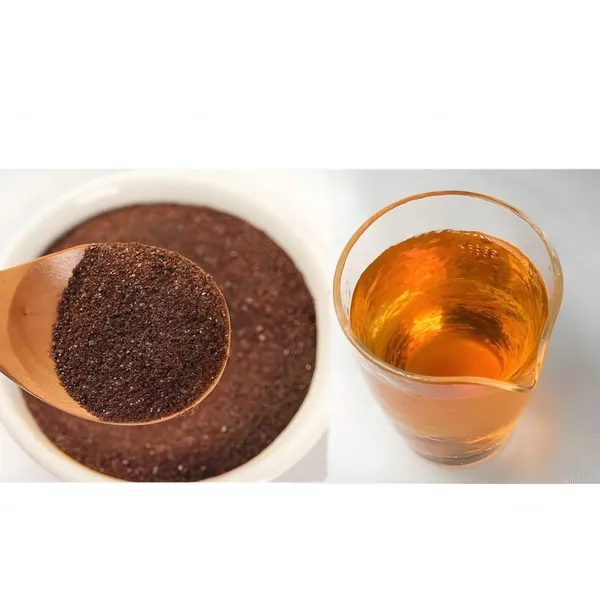
Instant Tea Whole Product Line Membrane Filtration, Concentration and Dehydration EquipmentUS$ 50000 - 500000MOQ: 1 Set
-
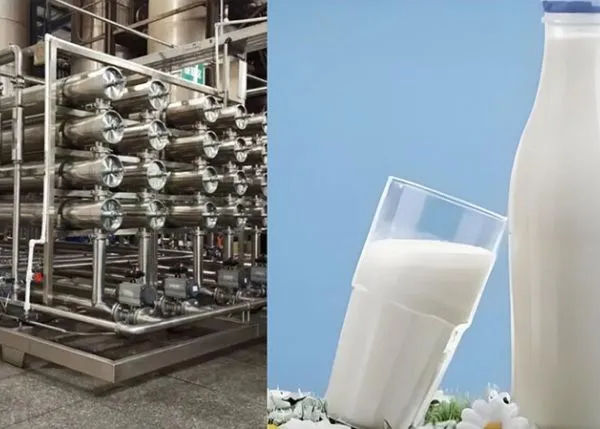
Goat Milk Sterilization and Concentration SystemUS$ 50000 - 500000MOQ: 1 Set
-
Sanitary Nanofiltration Membrane Dealcoholization System Low Alcohol Wine Beer Filtration EquipmentUS$ 50000 - 500000MOQ: 1 Set